Hong Kong to Macau: the Gold Bus, e-Gate on a foreign passport, hotel shuttles and the 1:1 currency trap
We went from Hong Kong to Macau over the Hong Kong–Zhuhai–Macao Bridge (HZMB) and stayed at The Londoner Grand, formerly the Sheraton Grand Macao, renovated and renamed. Here's the trip in order, plus the traps worth knowing about.
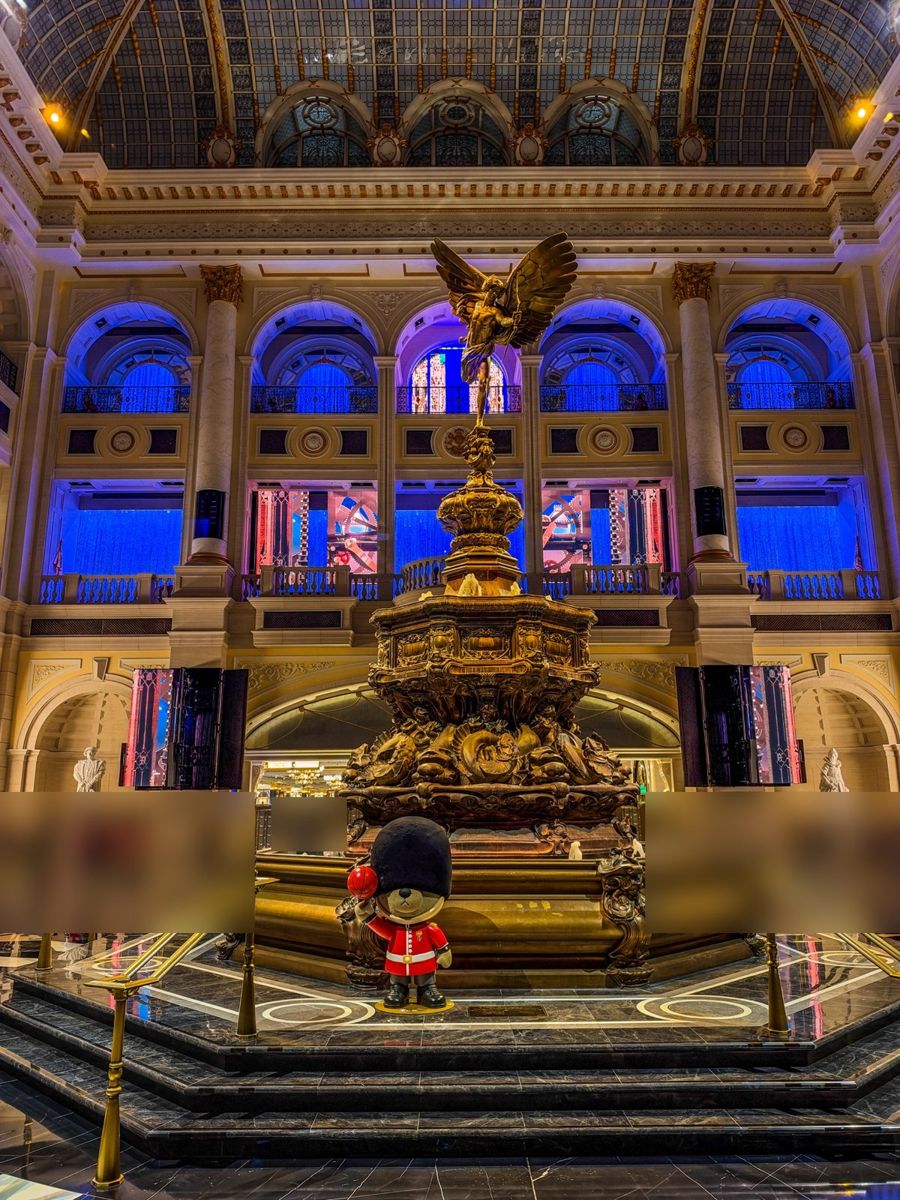
1. Getting to the HZMB Hong Kong port
From the city, take one of the "A" airport bus routes. Some go to the HZMB Hong Kong port first and some to the airport first, but they all stop at the port. Just check the sign before you board.
- From the airport: take the B4 circular route
- From Tung Chung: take the B6
2. The Gold Bus across the bridge: about 40 minutes, 24/7
The Gold Bus (the cross-bridge shuttle) runs frequently, so you can just turn up without checking a timetable. Daytime fare (06:00–23:59) is HK$65, overnight (00:00–05:59) HK$70.
Leaving from Hong Kong, you can tap your Octopus card straight through the gate. I forgot to buy a ticket and just tapped on.
Luggage: one suitcase per person. A second one costs extra.
No Octopus on the way back. From the Macau port, buy a ticket first at the self-service machine. It takes cards and WeChat Pay.
3. Macau port: e-Gate works on a foreign passport
I registered for Macau's automated clearance (e-Gate) with my Australian passport, on the spot at the HZMB Macau port.
After you get off the Gold Bus and enter the hall, look for the sign about e-Gate enrolment. The registration office is a small room off to the side. Staff check your passport, verify your face and take your fingerprints. It takes a few minutes. Then take the escalator up and you're at the e-Gates.
Staff who see a passport in your hand will usually wave you to the manual counters, because very few people register with a foreign passport. Just tell them you've registered for e-Gate. Sometimes the gate opens so fast you're through before anyone reacts.
The port is a restricted area, so no photos. That's why this part has none.
4. Free hotel shuttles
Outside the port, look for the free hotel shuttle buses. The Londoner, The Venetian and The Parisian belong to the same group and share a pick-up area. Other resorts run their own buses too, roughly every 10 to 15 minutes. The sign has a QR code for the timetable.
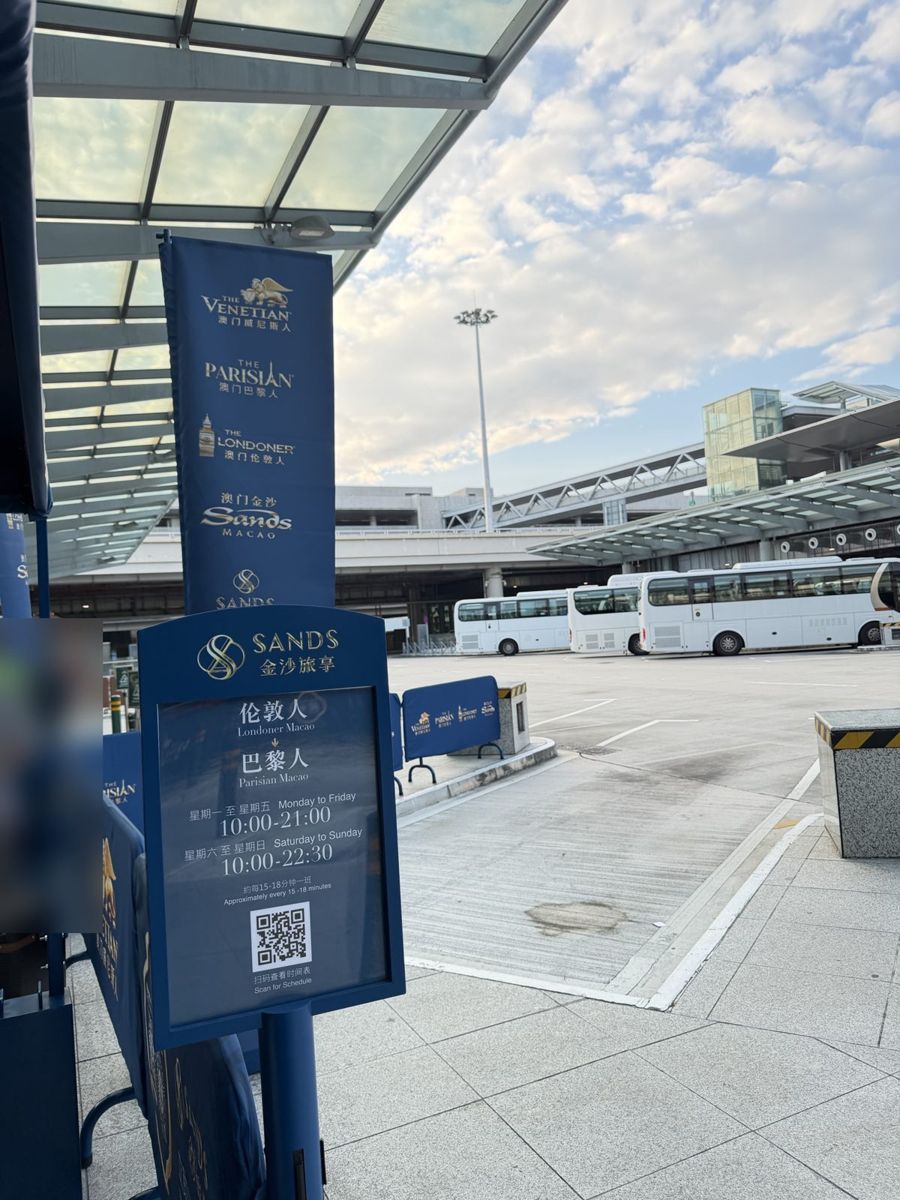
Boarding at the HZMB port, nobody asked for a room key or receipt. We've heard that shuttles from City of Dreams to the Hengqin border may ask for proof of spending at peak times. A cinema ticket or a Don Don Donki receipt counts.
5. Staying at The Londoner Grand
The Londoner Grand is the former Sheraton, renovated and renamed. It probably wasn't peak season, because the hotel upgraded us to a suite without us asking.
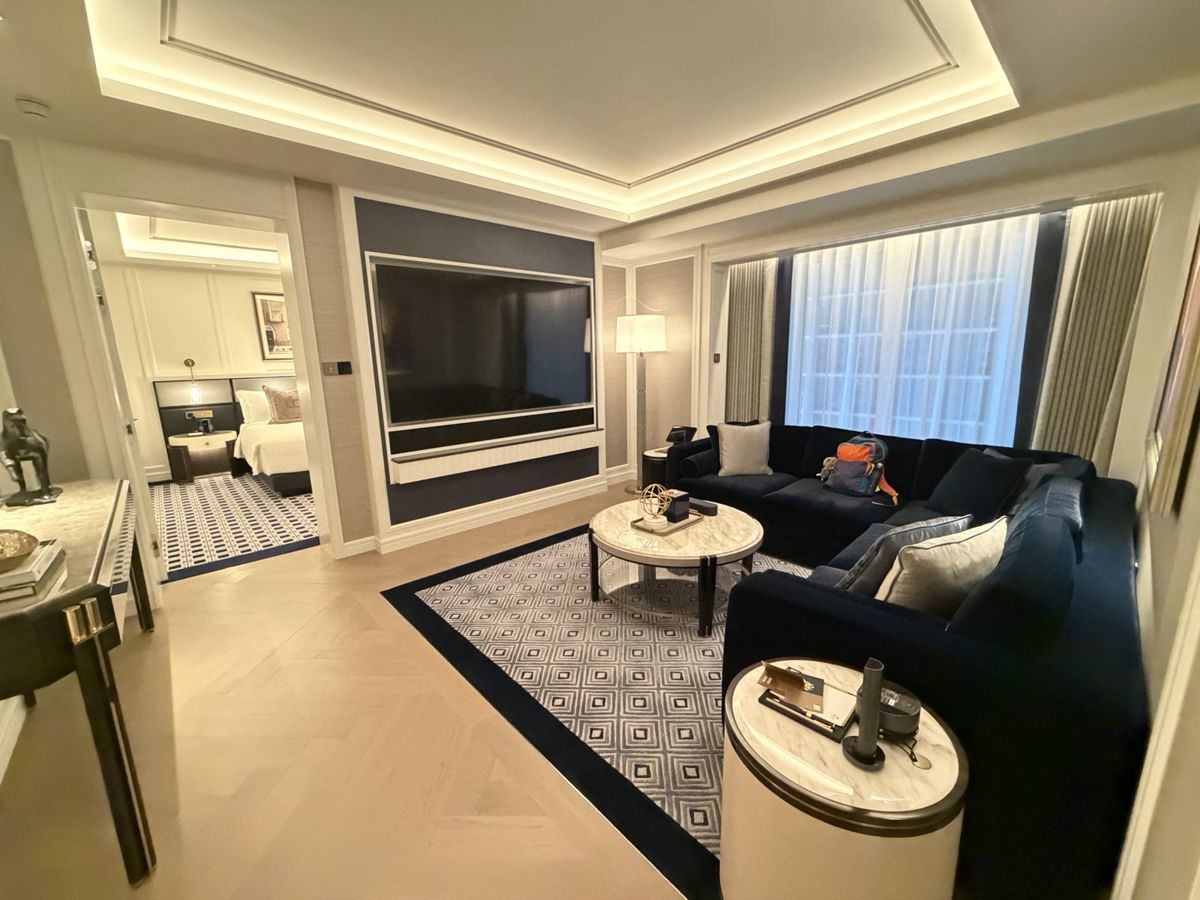
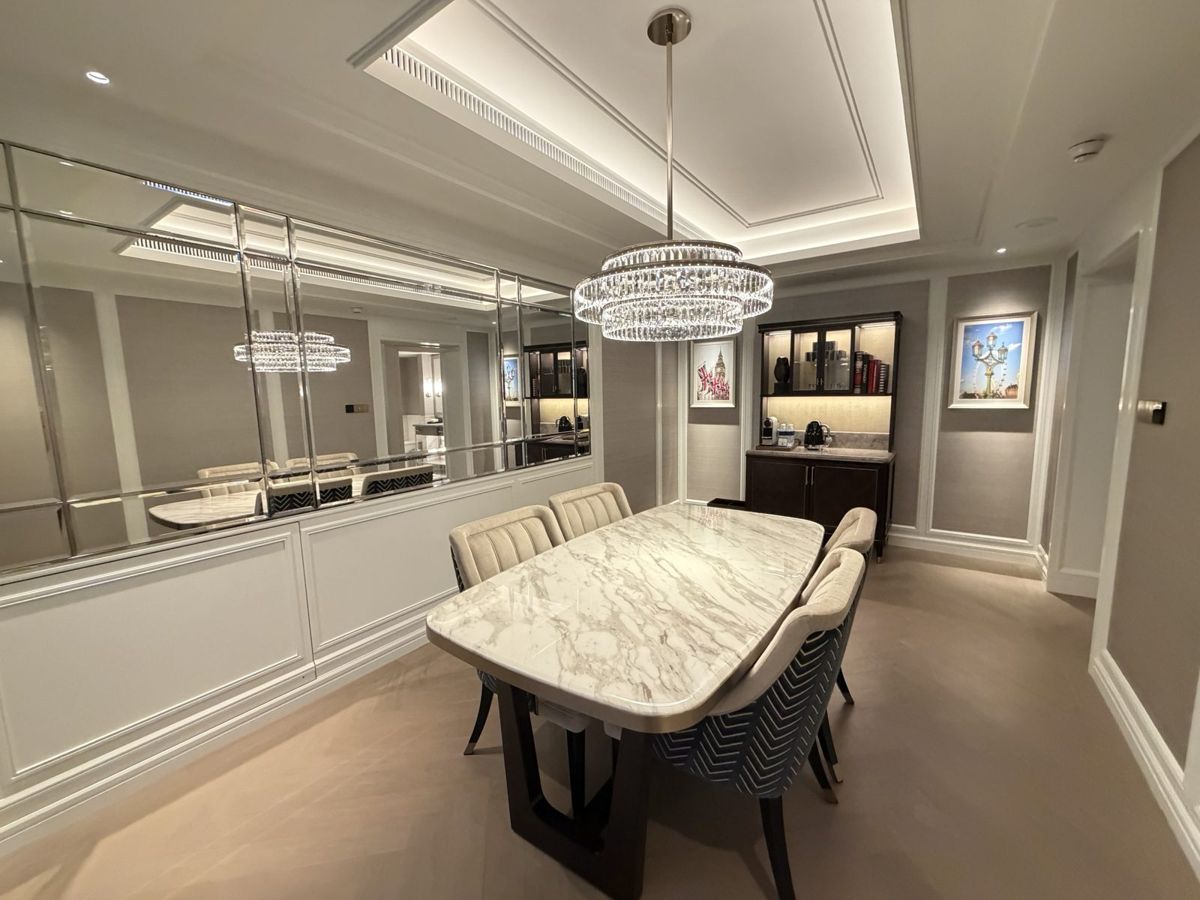
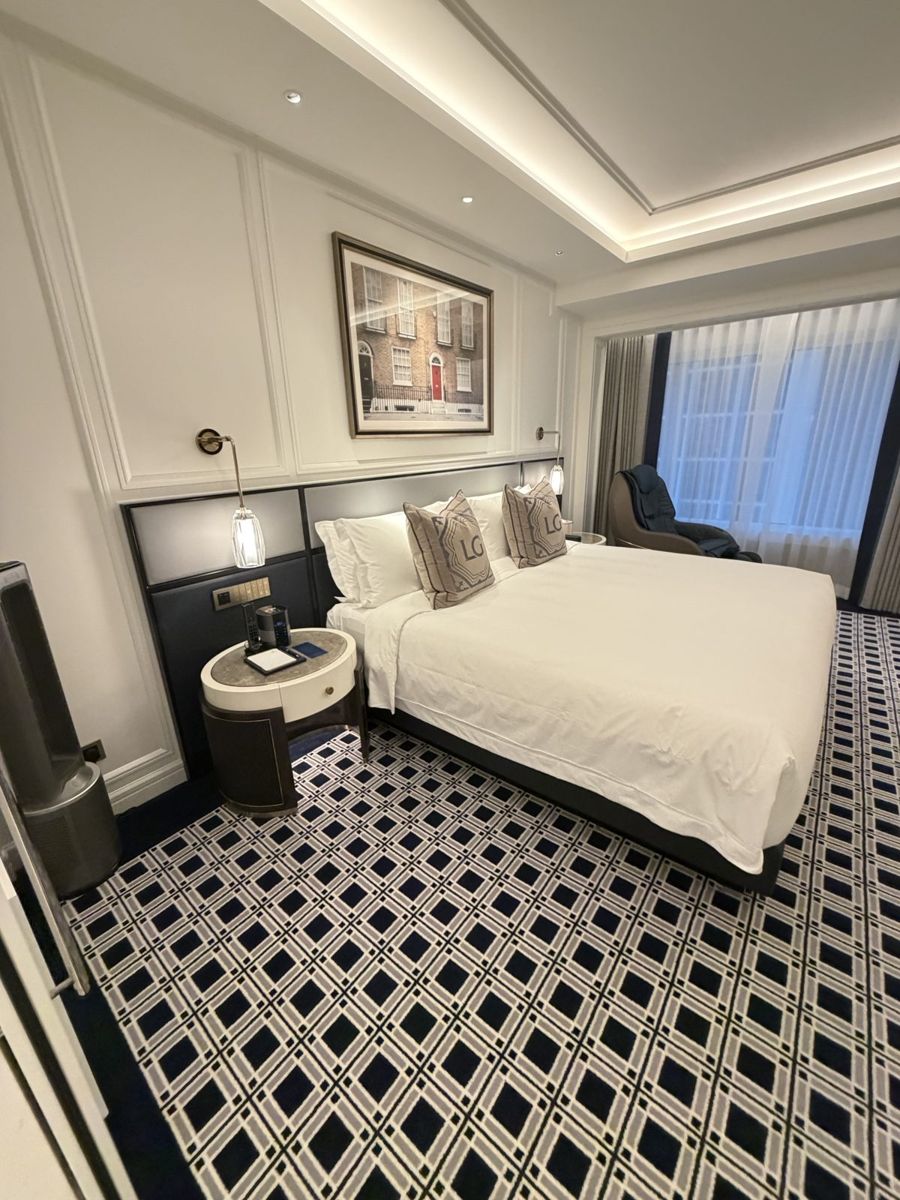
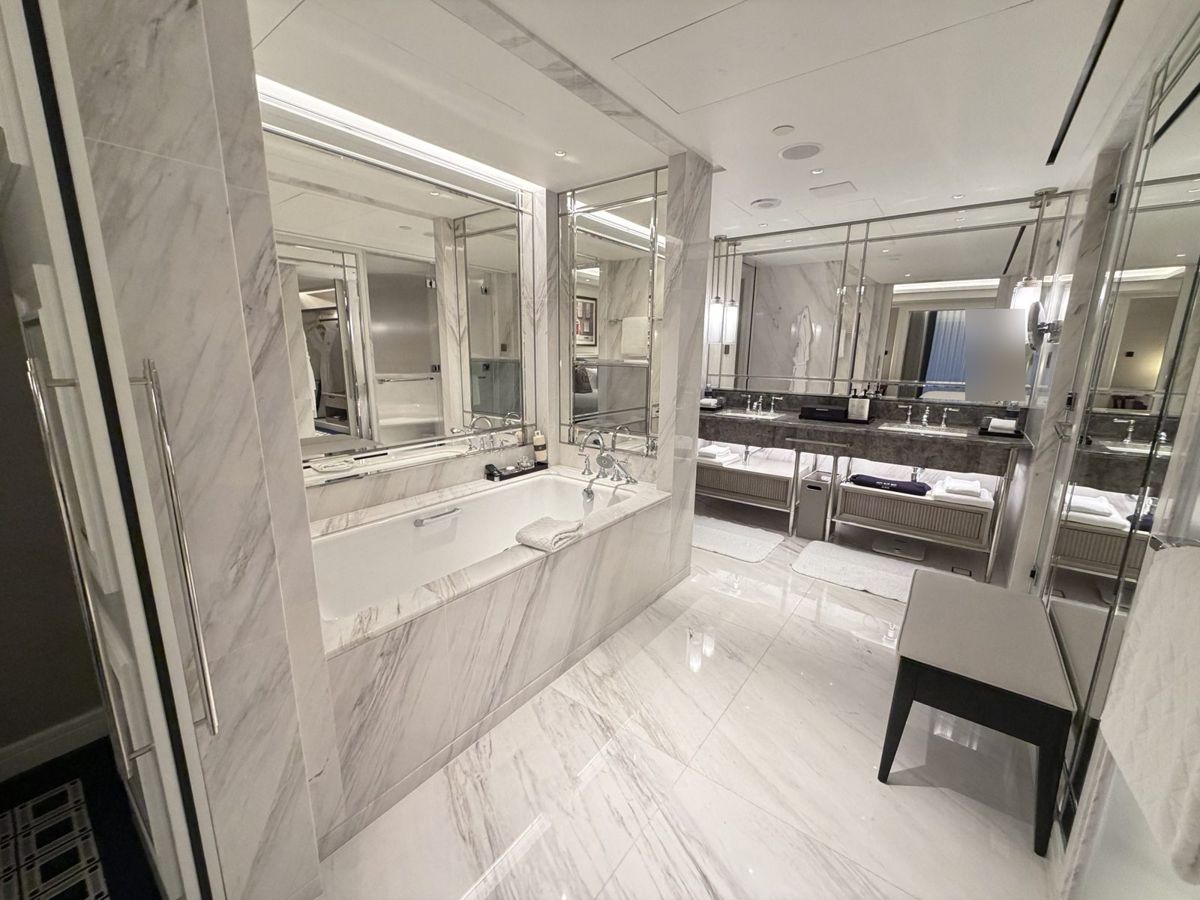
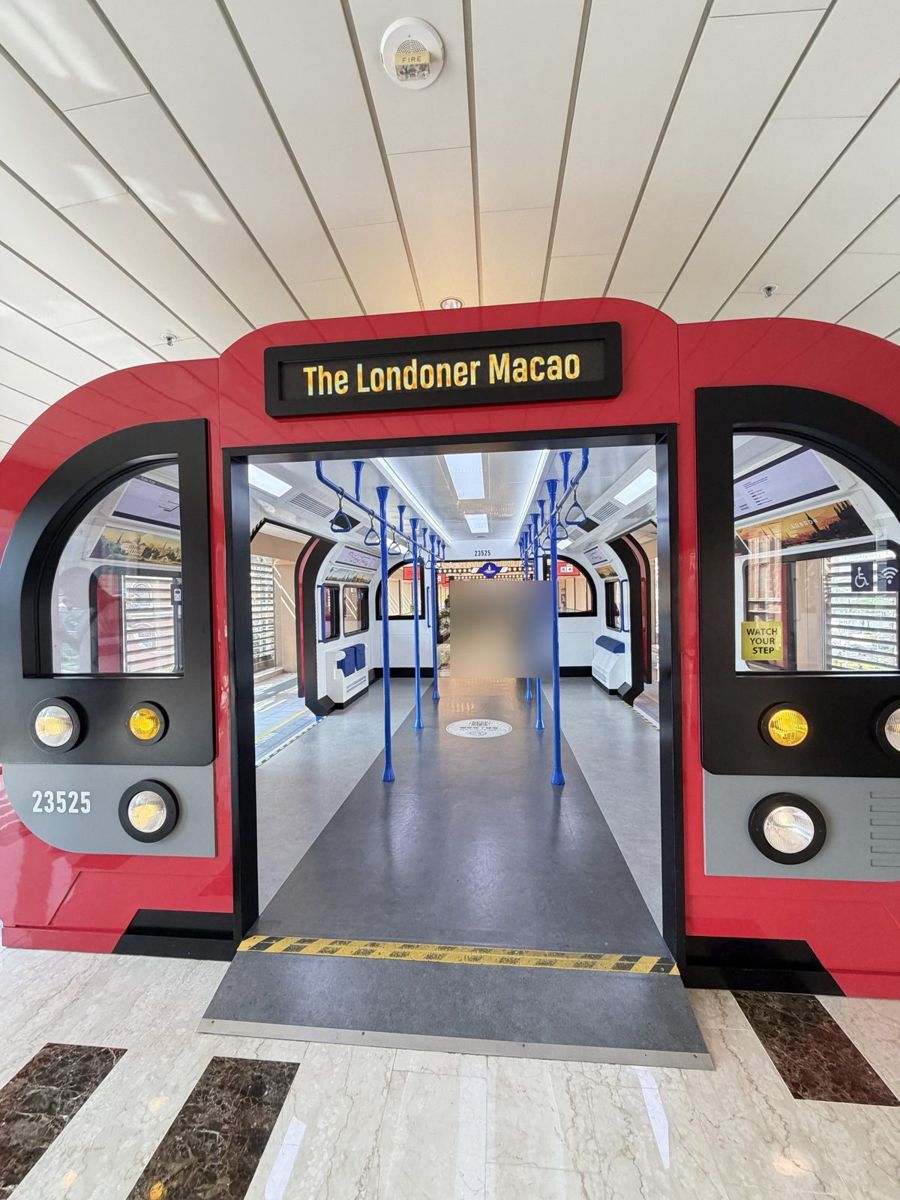
London themes are everywhere, down to a walkway styled as a Tube carriage.
6. Staying online: one Asia eSIM the whole way
Part of the bridge route is on mainland China networks. I used the RoamMelb Asia plan and had data across Hong Kong, the bridge and Macau, with no SIM swap and no dropout on the bridge.
Signal inside the resorts is good, and they all offer free Wi-Fi. For browsing and messaging I just use the Wi-Fi. But before logging into online banking or paying for anything, I turn Wi-Fi off and switch to my own eSIM data. Public Wi-Fi is open and crowded, so I'd rather do anything involving money on my own connection.
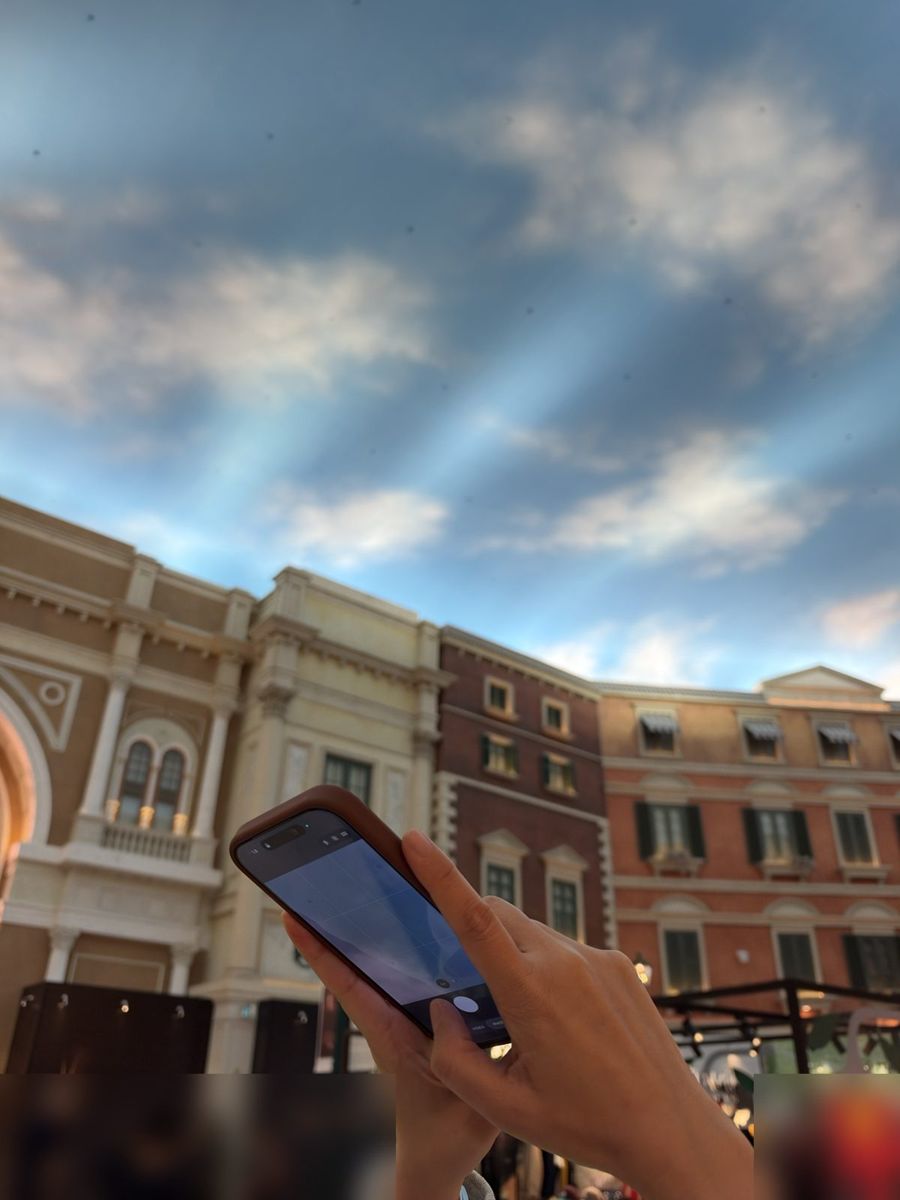
New to eSIM? See our iPhone eSIM install guide.
7. Paying: watch out for 1:1
Most places in Macau accept Hong Kong dollars and RMB, but many take them at 1:1 with the Macau pataca (MOP). HKD is worth a bit more than MOP (about 1 HKD to 1.03 MOP), and RMB more again (about 1 RMB to 1.1 MOP). Paying 1:1 means handing over 3% to 10% extra. Change usually comes back in patacas, which you can't spend in Hong Kong.
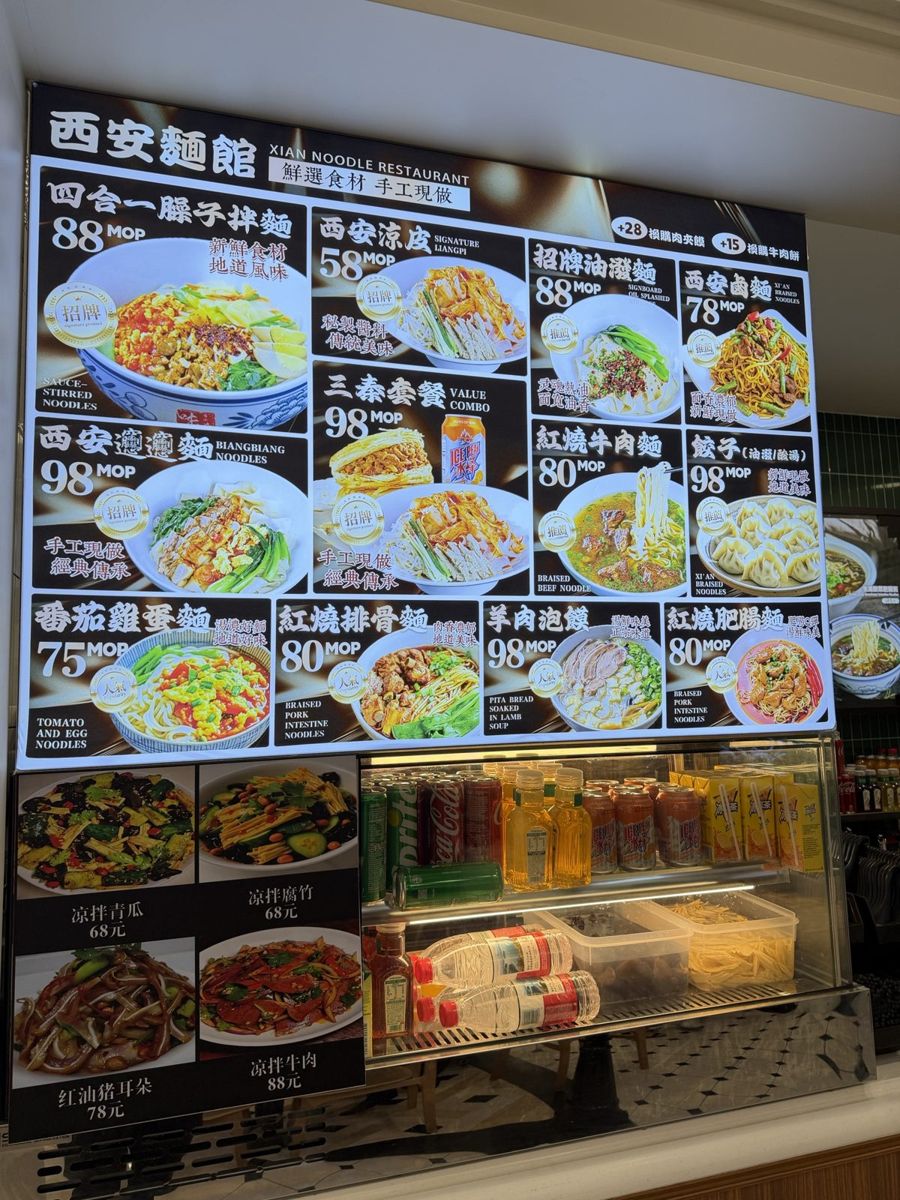
Use your card where you can. Cards are widely accepted and ATMs are everywhere if you need patacas. On coins: eateries usually take HK$2 coins, but not the small 10–50 cent ones.
8. Eating and shopping: luxury to Donki
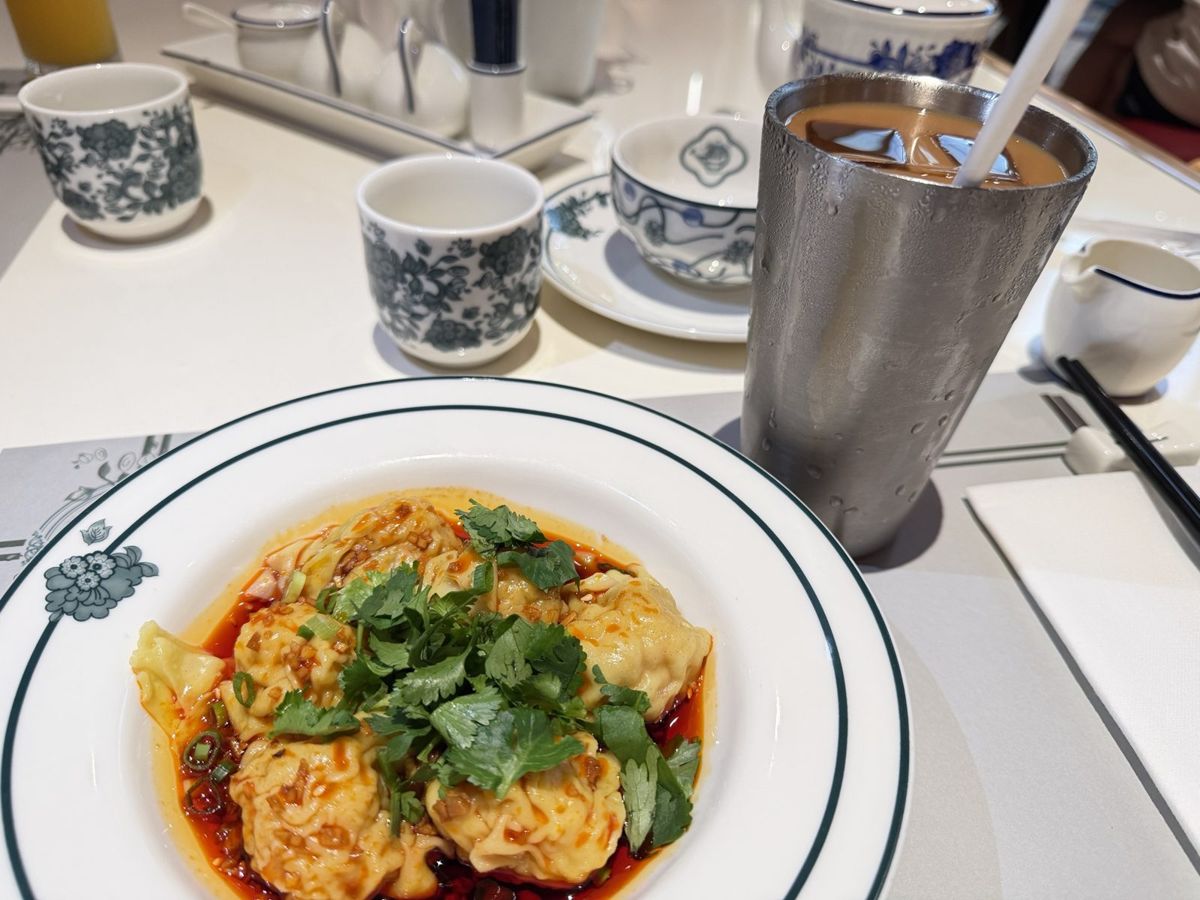
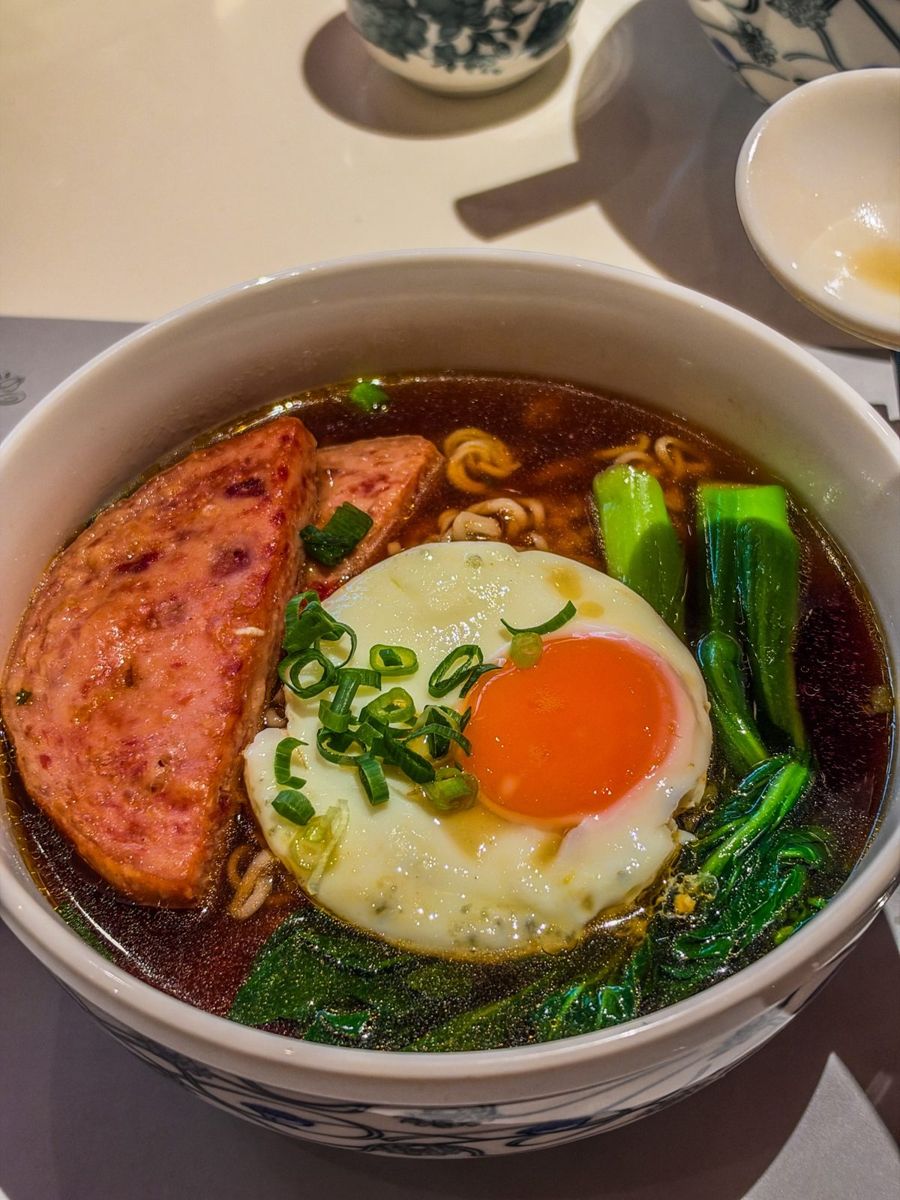
Every resort in Macau is huge. Beyond the luxury brands, you'll find everyday shops like MUJI, UNIQLO and Don Don Donki, plus everything from fine dining to cheap and cheerful food courts.
9. Casinos: worth a look even if you don't play
I don't gamble, but walking through was interesting. The casino floor mostly runs on Hong Kong dollars, and there's free drinking water.
You must be 21 or over to enter a casino in Macau, and photos aren't allowed inside.
Quick traps list
- Gold Bus from Macau back to Hong Kong: buy a ticket first, no Octopus
- One suitcase per person on the Gold Bus, extra ones cost more
- With a foreign passport, staff will point you to manual counters. If you've registered for e-Gate, say so
- HKD or RMB at 1:1 costs you money. Pay by card or in patacas
- Small Hong Kong coins are mostly useless in Macau
- No photos at the border or in casinos
FAQ
Can I pay with Hong Kong dollars in Macau?
Mostly yes, but many shops take HKD at 1:1 with the pataca. HKD is worth slightly more than MOP, so you lose about 3%. RMB at 1:1 loses more. Pay by card where you can, or withdraw patacas from an ATM.
Do I need to buy a Gold Bus ticket in advance?
Leaving from the Hong Kong port, you can tap Octopus at the gate. Coming back from the Macau port, Octopus isn't accepted: buy a ticket at the self-service machine by card or WeChat Pay.
Can foreign passport holders use Macau e-Gate?
We registered with an Australian passport on the spot at the HZMB Macau port. Check the Macau Public Security Police for which documents are eligible.
Does one eSIM work in both Hong Kong and Macau?
We used the RoamMelb Asia plan and had data the whole way: Hong Kong, the bridge and Macau, no SIM swap. Check the product page for exact coverage.
We saw more Western tourists in Macau than we expected. If you're flying from Australia into Hong Kong, a day or two in Macau is an easy add-on, and the Gold Bus plus e-Gate is the smoothest way to do it.
Heading to Hong Kong, Macau or several stops in Asia? Browse the Asia eSIM plans in the RoamMelb shop, or read our FAQ first. If you get stuck installing, contact RoamMelb support.